canton top Synthetic Turf Installation Services
canton top Synthetic Turf Installation Services
Blog Article
Artificial Grass Installation: The Green Answer for Your Lawn
Installing artificial grass serves as a workable substitute for homeowners pursuing a responsible yard solution. Its toughness and easy care needs offer notable advantages over traditional grass. As water preservation becomes progressively essential, artificial turf provides a workable response to ecological issues. Still, the decision to put in artificial grass requires many considerations that deserve careful review. What factors should homeowners evaluate before taking the change to this eco-friendly choice?
Grasping Synthetic Turf: Primary Attributes and Advantages
Synthetic turf has become a widely-used alternative to natural grass, delivering multiple perks for diverse applications. One of its primary attributes is durability; synthetic grass can resist heavy foot traffic and extreme weather conditions without deteriorating. This resilience makes it an ideal choice for sports fields, playgrounds, and residential lawns.
In addition, artificial grass involves negligible maintenance when compared to natural grass. There is no call for mowing, watering, or fertilizing, yielding notable time and cost savings for homeowners and facility managers alike.
Furthermore, synthetic turf is sustainable, as it reduces water consumption and reduces the need for toxic pesticide and fertilizer applications.
With progress in technology, modern synthetic turf replicates the appearance and feel of natural grass, offering aesthetic appeal without the drawbacks. These features combined make synthetic turf a viable and attractive option for a wide range of uses.
Laying Down Synthetic Turf: A Step-by-Step Guide
When evaluating the advantages of synthetic turf, the next logical step is understanding the installation process.
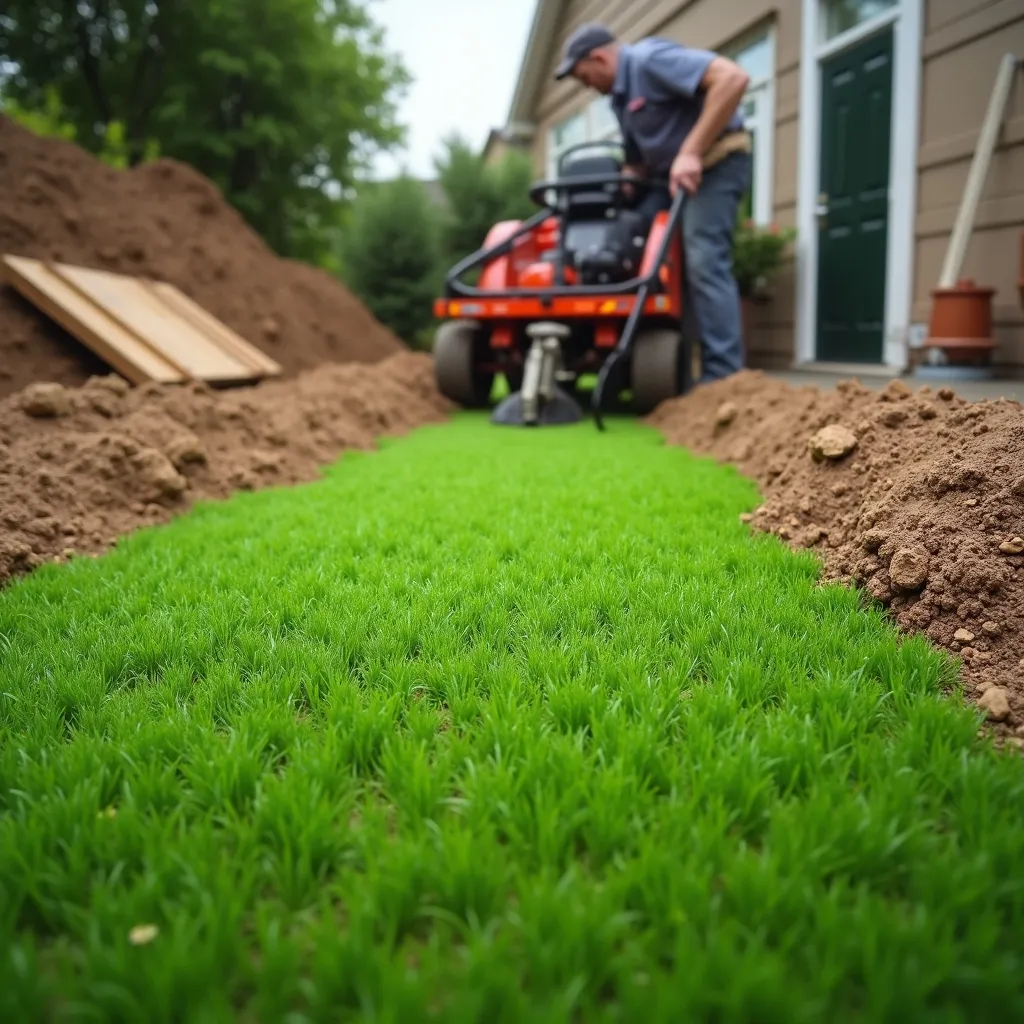
The first stage includes site readiness, which encompasses clearing the area of current grass, weeds, and debris. Next, a base layer of gravel or crushed stone is laid to guarantee proper water flow and structural support. Following this, a weed barrier fabric is placed to prevent unwanted vegetation.
After establishing the base, the synthetic turf rolls are unfurled and situated, allowing for proper alignment. The edges are secured with stakes or adhesive, assuring a seamless appearance.
Once placed, a layer of fill substance, such as rubber or sand, is distributed uniformly to provide weight and support. Finally, the turf is brushed to raise the strands and achieve a natural look.
Executing these procedures creates a long-lasting, minimal-upkeep lawn that boosts both aesthetics and usability.
Why Decide on Synthetic Turf? Nature-friendly and Convenient Rewards?
Picking synthetic turf provides many practical and environmental benefits that make it an appealing option for numerous article homeowners and businesses. One major benefit is water conservation; synthetic grass eliminates the need for routine irrigation, which is especially advantageous in arid regions.
Additionally, it decreases the reliance on harmful pesticides and fertilizers, promoting a more robust ecosystem.
From a functional standpoint, synthetic turf requires minimal maintenance, reducing time and money on yard maintenance. It continues green and lush throughout the year, providing a consistent aesthetic appeal without weather-related variations.
Additionally, synthetic turf is durable, able to withstand heavy foot traffic and various weather conditions, making it suitable for both residential and commercial applications.
These characteristics not only enhance the functionality of outdoor spaces but also contribute to long-term environmental responsibility, establishing synthetic turf as a attractive choice for eco-aware consumers.
Important Considerations for Synthetic Turf Placement
Numerous elements must be reviewed before undertaking synthetic turf installation. First, it is vital to evaluate the proposed purpose of the area. Different varieties of synthetic turf are designed for specific purposes, such as sports or residential outdoor design.
Second, the local climate should be taken into consideration; some components may survive heat more efficiently than others.
Site preparation is another vital element, necessitating proper drainage and a level surface to ensure durability and operation. In addition, possible community ordinances or homeowners' association requirements may influence installation options.
Determining the proper infill composition is critical for strength and quality, as it shapes both the visual and physical properties of the turf.
Ultimately, picking a reputable professional can substantially impact the quality and longevity of the work. By addressing these aspects, residents can make educated selections that best fit their preferences and enhance their external areas.
Preserving Your Artificial Turf Lawn in Great Shape
A synthetic turf lawn needs a consistent cleaning schedule to guarantee that its lifespan and look are maintained.
Routine upkeep includes dealing with any spots and utilizing repair techniques as necessary.
Stick to a routine cleaning plan
Maintaining the look and durability of synthetic turf lawns depends on a regular maintenance plan. Regular maintenance helps prevent debris buildup, minimizes odors, and enhances aesthetic appeal.
Property owners should aim to clean leaves, twigs, and other plant debris at least once a week, especially during fall. Additionally, flushing the turf with water every month can help eliminate dust and allergens, maintaining a fresh look.
Busy regions may be in need of ongoing care to maintain the durability. In colder months, winter accumulation should be thoroughly cleared to prevent damaging the grass strands.
Spotting and Maintenance Recommendations
Identifying and addressing issues promptly is crucial for maintaining the integrity of synthetic turf lawns. Frequent examinations should be performed to detect indicators of wear, such as tears, unraveling, or irregular surfaces.
When a problem is found, immediate action is crucial. Minor tears can be addressed using specialized adhesive or turf tape, ensuring a reliable bond without undermining appearance. For larger issues, professionals may be required to replace sections of turf.
Furthermore, maintaining the base material intact is vital; any displacement can lead to more serious problems. Regular brushing helps maintain an even appearance and can also identify concealed defects.
Cost Comparison: Synthetic Turf vs. Natural Grass
When examining the costs of synthetic turf to organic grass, first-time installation charges hold substantial weight.
In addition, extended maintenance costs can greatly determine the complete monetary commitment of each option.
A in-depth assessment of these factors demonstrates crucial information for prospective buyers.
Main Setup Expenses
Initial installation costs play an essential role in the selection process for property owners and local governments evaluating synthetic turf versus natural grass.
In general, the initial costs for synthetic turf can range from $5 to $20 per square foot, depending on quality and installation complexity. In contrast, natural grass installation usually costs between $1 to $2 per square foot.
However, the total expenditure in natural grass can rise significantly due to ground conditioning, irrigation, and ongoing maintenance needs.
Property owners and local governments must consider these beginning expenses against the possible future gains of synthetic turf, such as reduced water usage and lower maintenance requirements.
Ultimately, learning these costs allows making conscious, sustainable landscaping preferences.
Extended Service Charges
Continuous maintenance expenses substantially determine the overall value proposition of synthetic turf compared to natural grass.
Upkeeping natural grass entails continuous monetary outlays, featuring regular cutting schedules, nutrient enrichment, proper irrigation, and preventative pest control, which can compound substantially over time. Homeowners may disburse hundreds to thousands of dollars annually to maintain a lush turf area.
In comparison, artificial grass needs low upkeep, primarily periodic cleaning and rinsing to clear away debris. Though the early investment in synthetic turf might be elevated, the reduced extended-term costs make it an appealing substitute.
Additionally, artificial grass removes water bills linked to irrigation, boosting its economic value over time.
Ultimately, the monetary benefits of artificial grass care can result in substantial savings for homeowners in the long term.
Challenging Regular False Beliefs About Synthetic Turf
Although a lot of individuals harbor false ideas about synthetic turf, understanding the information can result in informed selections. One common myth is that synthetic turf is harmful to the surroundings; however, many products are made from recycled materials and are engineered to be durable, curtailing waste.
A common notion is that synthetic turf necessitates substantial heat maintenance, but modern installations often employ effective cooling technologies that alleviate temperature issues.
In addition, some commentators insist that artificial grass promotes synthetic chemicals; yet, enhancements in formulation have substantially reduced the demand for injurious filler materials.
Ultimately, the notion that synthetic grass cannot support biodiversity is misleading; many installations can live together with native plants, providing habitats for local wildlife.
Regularly Posed Questions
How Many Years Does Synthetic Turf Endure Before Requiring Replacement?
Manufactured turf generally functions between 15 to 25 years before needing replacement. Components affecting longevity include excellence, maintenance routines, and environmental conditions, which can significantly affect its durability and functional capacity over time.
Can Animals Safely Enjoy Synthetic Turf?
Pets can safely use synthetic turf, as it is engineered to be long-lasting and harmless. Regular maintenance ensures hygiene, making it a sensible option for pet owners looking for a low-maintenance, enjoyable outdoor space for their animals.
Will Synthetic Turf Absorb Heat When the Weather is Bright?
Indeed, artificial turf does absorb warmth in bright weather, substantially raising surface temperatures. This can cause unease for both people and pets. Consistent irrigation or choosing lighter-colored turf can help mitigate this heat absorption.
What Choices Do You Have for Synthetic Turf Pigments and Styles?
You can find synthetic turf options with various colors like bright greens, natural browns, and even customized shades. From authentic replication of natural grass to ornamental designs, types include a variety of aesthetic preferences and functional needs.
What Effect Does Synthetic Turf Have on Area Wildlife?
Man-made turf can disrupt local wildlife by altering habitats and reducing natural nutrition availability. Its inflexibility may deter certain species from foraging or nesting, potentially leading to reduced species diversity in the impacted regions.
Report this page